
Uganda Driving Tips: A Complete Guide for Tourists, Roads, Rules, Safety & Self-Drive Safaris 2026
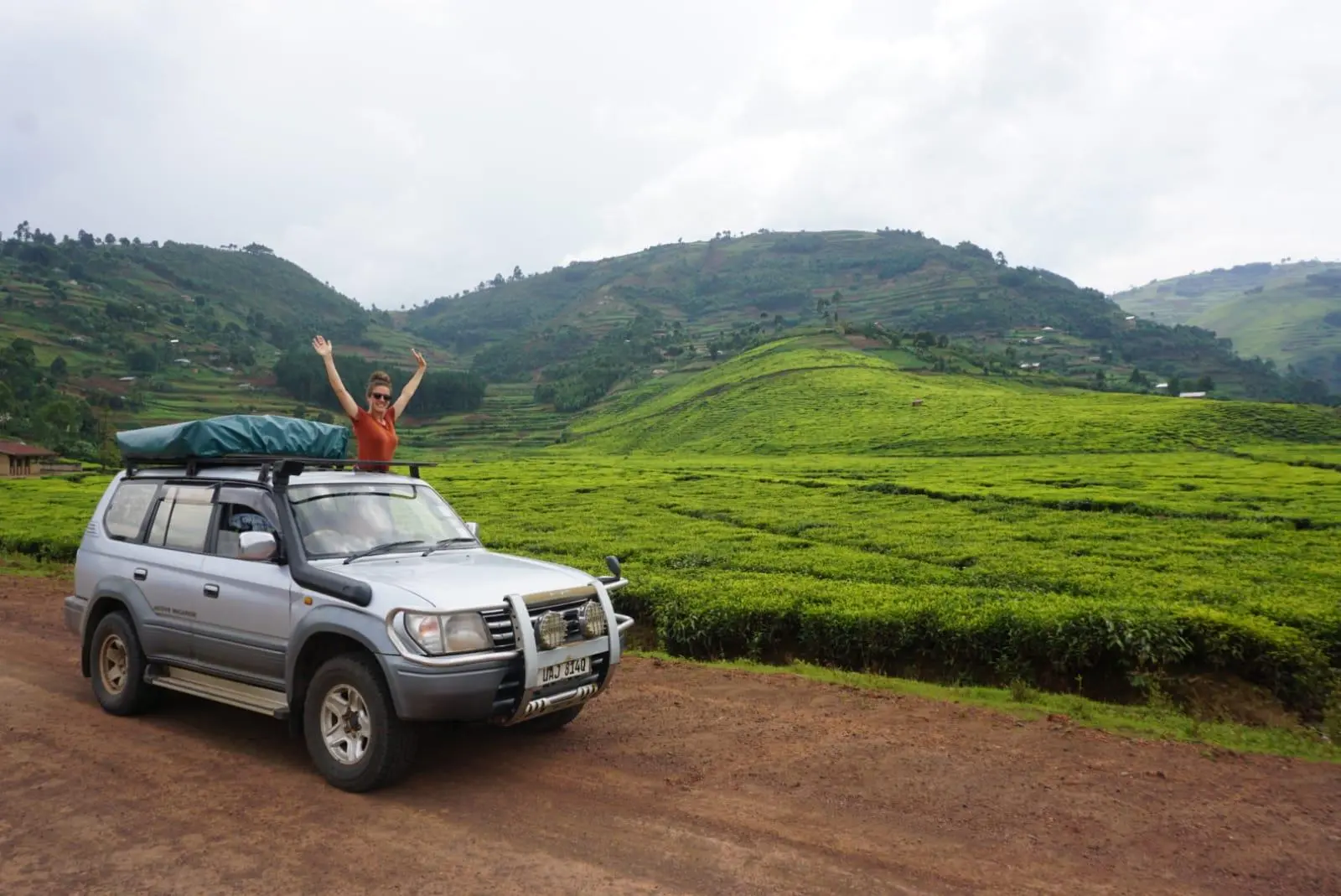
Planning to drive in Uganda? Driving is one of the best ways to experience Uganda’s national parks, wildlife, gorilla trekking destinations and scenic countryside at your own pace.
However, international visitors should understand Uganda’s road conditions, traffic rules, driving etiquette, safety considerations and vehicle requirements before starting a self-drive safari.
From Kampala and Entebbe to Bwindi, Queen Elizabeth National Park, Murchison Falls and Kidepo Valley, road conditions can vary significantly.
Choosing the right rental vehicle—especially a reliable 4×4 safari vehicle for remote parks—can make your journey safer and more comfortable.
In this guide, Happy Trip Uganda explains the most important Uganda driving tips for tourists, including road rules, safety, navigation, fuel, rural roads, national park driving and how to choose the right rental car.
Quick Answer: What Should Tourists Know About Driving in Uganda?
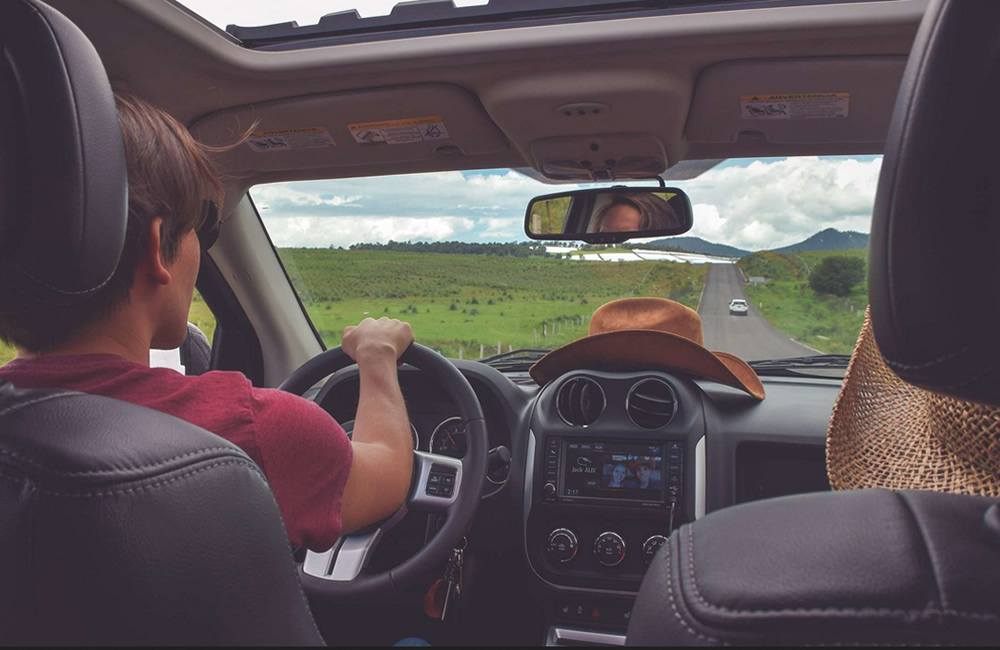
- Uganda drives on the left-hand side of the road.
- Travelers should understand local traffic signs and Uganda traffic rules before driving.
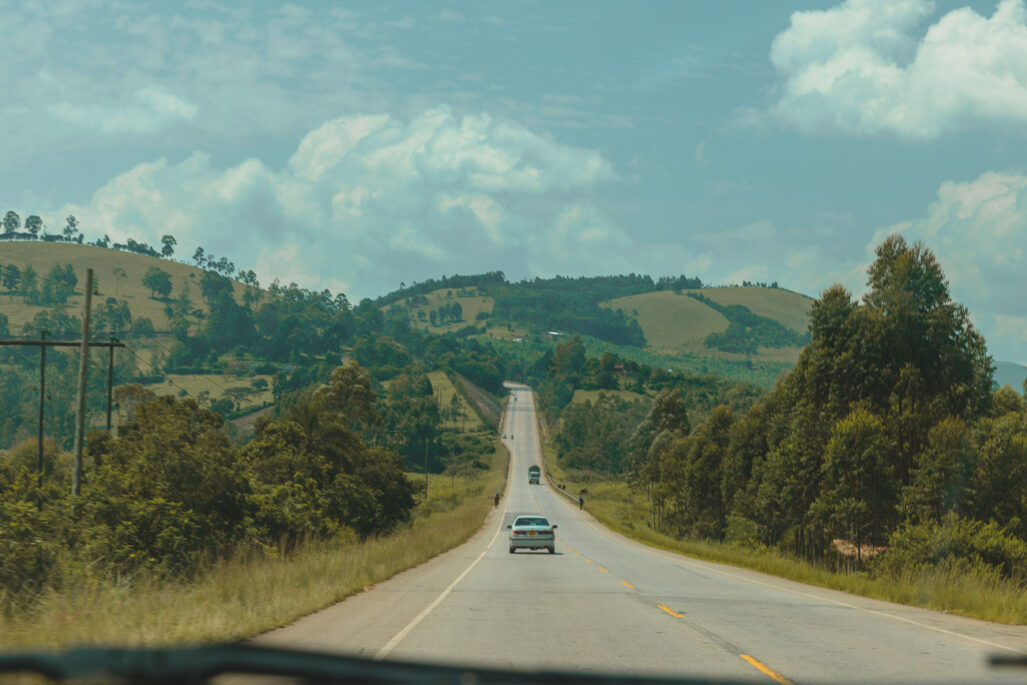
- Road conditions vary considerably between major highways, cities, rural roads and national parks.
- A 4×4 vehicle is recommended for many safari routes, particularly remote and rough roads.
- Allow extra time for traffic, road conditions, livestock, pedestrians and unexpected stops.
- Check your rental company’s insurance, vehicle condition, emergency support and cross-border terms before departure.
- Always follow current Ugandan traffic laws and official road-safety guidance.
Is Driving in Uganda Safe for Tourists?
Yes, driving in Uganda for foreigners is safe provided you exercise caution, adapt to local conditions, and respect the environment.
However, the safety of your journey depends heavily on where you are driving and your level of experience.
- Urban vs. Rural Driving: Kampala features heavy, unpredictable traffic, while rural roads demand constant vigilance for unexpected hazards.
- Highway driving on major tarmac routes (like the Kampala-Mbarara highway) is generally straightforward, but you must remain alert for sudden speed bumps and crossing pedestrians.
- Night Driving: You should strictly avoid unnecessary night driving in Uganda. Rural roads lack street lighting, and visibility drops significantly. Furthermore, livestock, pedestrians, and unmarked potholes become major hazards after dark.
- Road Hazards: Be prepared for boda bodas (motorcycle taxis) weaving through traffic, free-roaming livestock, and pedestrians walking on the road margins. Heavy vehicles and matatus (minibuses) often drive aggressively, requiring defensive driving. Weather conditions, particularly during the rainy season, can cause sudden reduced visibility and muddy, slippery roads.
While independent travel is rewarding, the dynamic nature of Ugandan roads means that experienced local drivers possess an invaluable advantage in navigating these unpredictable conditions safely.
Ready to relax and enjoy the scenery? If you are unfamiliar with Ugandan roads or want to concentrate on wildlife viewing rather than navigation, consider hiring a 4×4 rental with a professional driver from Happy Trip Uganda.
Which Side of the Road Does Uganda Drive On?
Uganda drives on the left-hand side of the road.
Because the steering wheel is on the right side of the vehicle, visitors from right-hand-driving countries (like the USA or most of Europe) need extra attention when adjusting to local traffic flow.
Overtaking must be done on the right, roundabouts are navigated clockwise, and you must yield to traffic coming from your right at unmarked intersections. Lane positioning requires you to keep left, except when overtaking.
First Day Driving Tip: If you normally drive on the right, spend some time becoming comfortable with left-side driving in a quiet area before beginning a long Uganda safari. Practice using your windshield wipers and turn signals, as they will be on the opposite side of the steering column than you are used to.
Uganda Driving Rules Tourists Should Know
Understanding Uganda driving rules is critical for your safety and to avoid fines. The Uganda Police Force and the Ministry of Works and Transport strictly enforce these laws.
1. Follow Speed Limits
Speed limits are strictly enforced using radar guns and speed cameras. According to the Ministry of Works and Transport’s Traffic and Road Safety (Prescription of Speed Limits) Regulations, 2025, the maximum speed limit is 30 km/h on urban roads for passenger and dual-purpose vehicles, and 50 km/h on highways traversing urban areas.
Because regulations and specific zoned limits can be updated, always check current official requirements and obey posted signs rather than relying on outdated universal speed tables.
2. Wear Seat Belts
Under current road-safety regulations in Uganda, the driver and all passengers must wear seat belts at all times.
Failure to comply results in heavy fines for the driver. Ensure all occupants, including those in the rear seats, are buckled up before moving the vehicle.
3. Never Drive Under the Influence
Uganda has zero tolerance for impaired driving. The Ministry of Works and Transport enforces strict Prohibited Drugs and Alcohol Limit Regulations.
The legal blood alcohol concentration (BAC) limit is heavily restricted, and driving under the influence of alcohol or prohibited drugs carries severe legal penalties, including imprisonment.
4. Avoid Distracted Driving
Distracted driving in Uganda is dangerous and illegal. Do not use handheld mobile phones, eat, or take photographs while the vehicle is in motion. If you need to use GPS navigation or take a photo of a rare bird, pull over safely to the side of the road first.
5. Respect Traffic Signs
Familiarize yourself with the Ugandan Highway Code. Key signs include Stop (octagonal red), Give Way (inverted red triangle), and various speed signs.
Pay close attention to pedestrian crossings (zebra crossings), where you must yield to foot traffic. In national parks, respect wildlife warning signs and park entry speed limits to protect both animals and visitors.
What Are the Roads Like in Uganda?
Road conditions dictate the type of vehicle you need. Understanding the terrain is essential for planning a successful self-drive safari in Uganda.
1. Kampala and Entebbe
The capital city, Kampala, and the nearby Entebbe International Airport experience heavy urban traffic. Expect busy intersections, aggressive boda bodas, dense pedestrian traffic, and frequent congestion.
Driving here requires patience and sharp reflexes. It is often best to bypass Kampala during peak rush hours (7:00 AM–10:00 AM and 5:00 PM–8:00 PM).
2. Major Highways
Major tarmac highways, such as the routes connecting Kampala to Jinja, Mbarara, and Masindi, are generally in good condition. These major highways are substantially easier to drive than remote safari roads.
However, travelers should still allow sufficient journey time, as highways pass through numerous trading centers with hidden speed bumps and crossing pedestrians.
3. Rural Roads
Once you leave the main highways, rural roads in Uganda transition to murram (dirt/gravel). These roads can feature deep potholes, narrow passages, and steep gradients.
During the rainy season, they become muddy and slippery. You must constantly watch for free-roaming animals, pedestrians, and cyclists, which significantly reduces your average speed and visibility.
4. National Park Roads
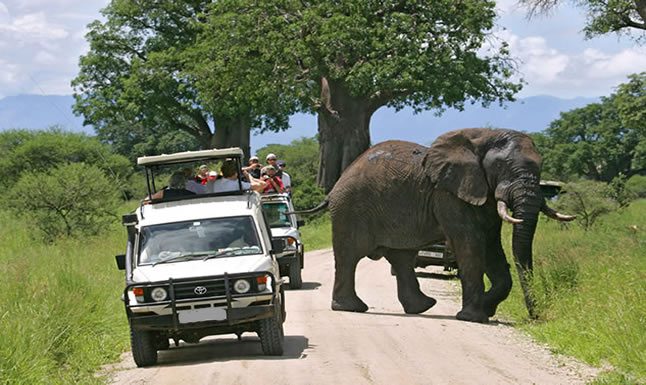
This is where the terrain demands respect. Roads inside parks like Bwindi, Queen Elizabeth, Murchison Falls, and Kidepo Valley are often rugged, steep, and deeply rutted.
A standard 2WD car will struggle or get stuck. A 4×4 safari vehicle with high ground clearance is highly useful—and often mandatory—for navigating these challenging tracks safely and comfortably.
Do You Need a 4×4 to Drive in Uganda?
Not every journey in Uganda requires a 4×4, but a 4×4 is strongly recommended for many wildlife safaris, remote destinations and rough or unpaved roads.
Choosing the right vehicle depends entirely on your itinerary:
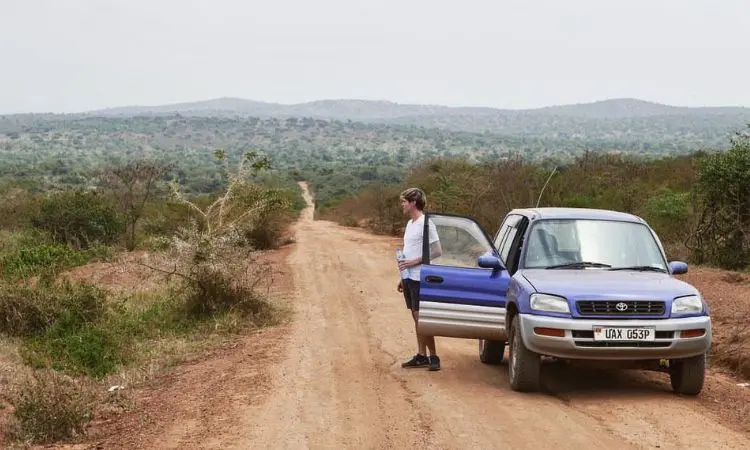
- RAV4 / Standard SUV: Suitable for selected paved routes, airport transfers, and travelers sticking strictly to major towns and lodges with good access roads.
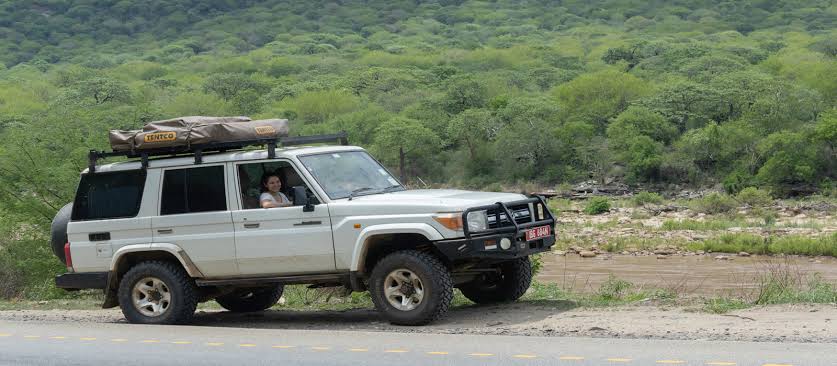
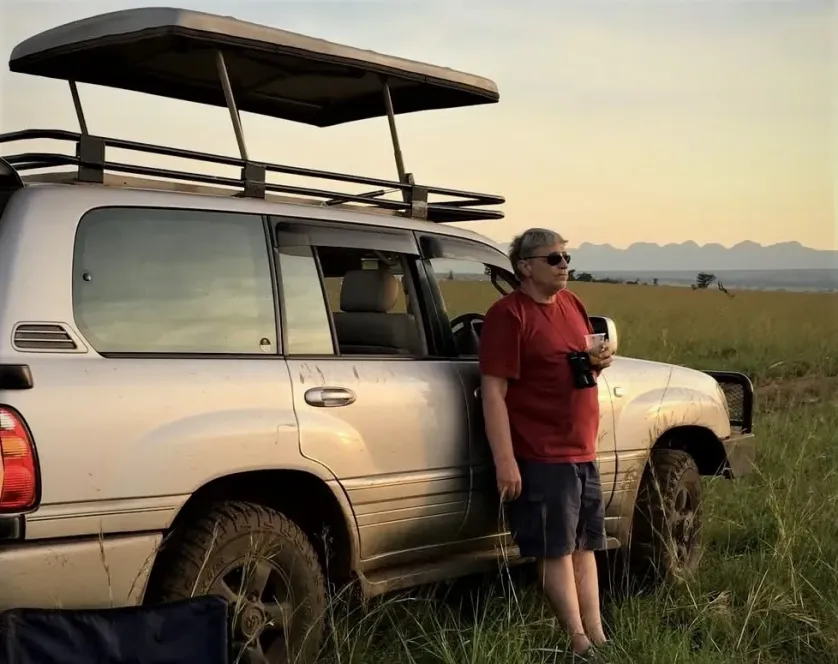
- Land Cruiser / Safari 4×4: Better suited to challenging safari routes, rough national park roads, remote areas, and longer wildlife journeys. This is the gold standard for a Uganda safari car rental.
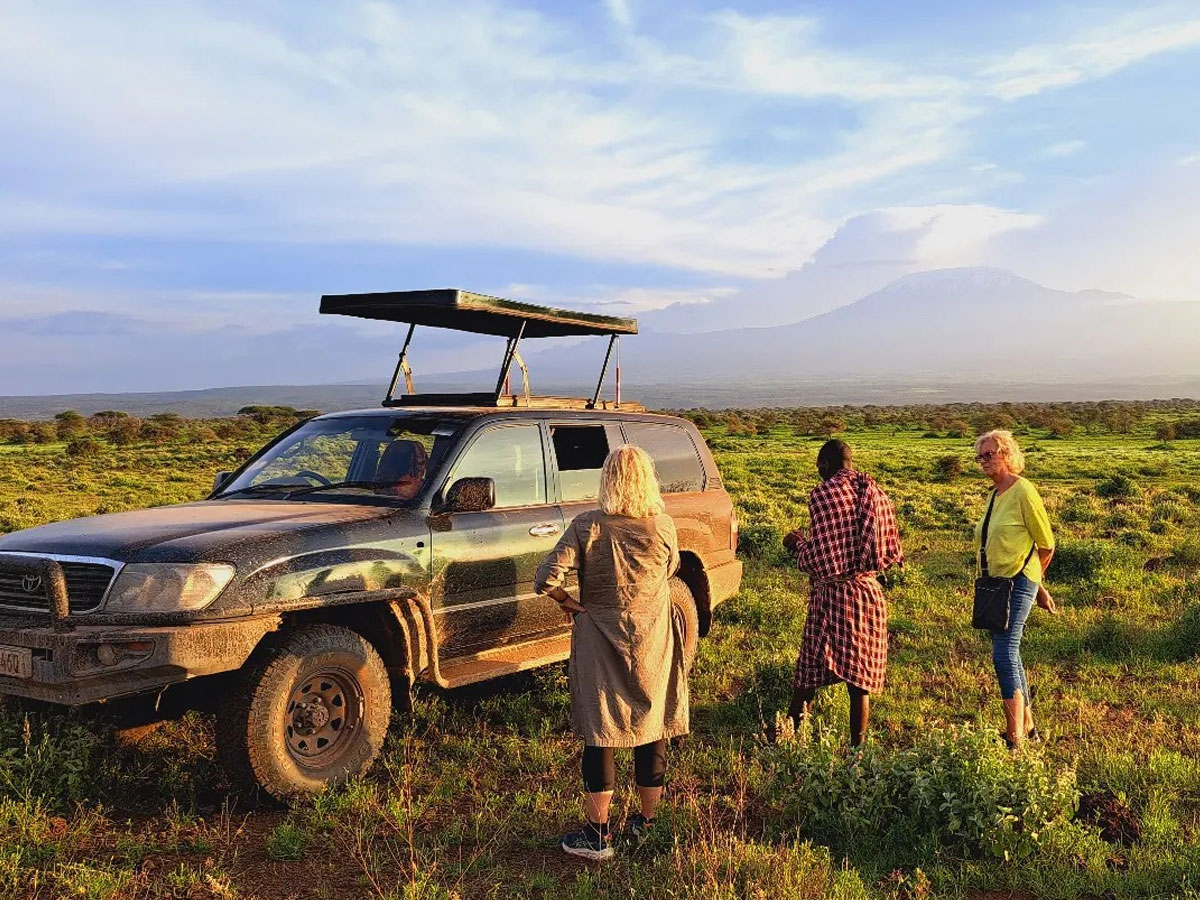
- 4×4 with Driver: Ideal for travelers who want local road knowledge, expert navigation, and less driving responsibility, allowing you to focus entirely on the scenery and wildlife.
Planning a Uganda safari? Choose your vehicle based on your actual itinerary rather than simply choosing the cheapest rental car. Contact Happy Trip Uganda for advice on the right 4×4 for your route.
Essential Uganda Driving Tips for First-Time Visitors
To ensure a smooth journey, follow these practical Uganda driving tips:
- Drive on the Left: Always keep left, overtake on the right, and adjust to right-hand steering.
- Slow Down in Towns: Reduce speed to 30 km/h in trading centers to avoid hidden speed bumps and pedestrians.
- Watch for Boda Bodas: Motorcycles move unpredictably; give them plenty of space and check mirrors constantly.
- Expect Pedestrians and Cyclists: People often walk on the road margins, especially in rural areas.
- Watch for Livestock: Cows, goats, and monkeys frequently cross roads. Slow down and do not honk aggressively.
- Avoid Unnecessary Night Driving: Darkness brings poor visibility, unlit vehicles, and increased accident risks.
- Allow Extra Travel Time: Distances are short, but travel times are long. Calculate an average speed of 50-60 km/h on highways and 30 km/h on rural roads.
- Carry Enough Fuel: Fill your tank whenever you see a reputable station (like TotalEnergies or Shell) in rural areas.
- Check Your Tyres: Uganda’s official road regulations require vehicles to have suitable wheels and adequately inflated tyres. Check pressure and spare tyres before long journeys.
- Carry Water and Basic Supplies: Keep drinking water, a first-aid kit, and non-perishable snacks in the car.
- Download Offline Maps: Mobile internet can be unreliable in remote parks. Download offline maps on your phone or GPS.
- Keep Emergency Contacts: Save local emergency numbers and your car rental Uganda provider’s 24/7 support line.
- Don’t Drive While Distracted: Keep your eyes on the road; pull over to take photos or adjust the radio.
- Check Weather and Road Conditions: Rain can make murram roads impassable. Check forecasts and local park advisories.
- Inspect Your Rental Vehicle: Before leaving the lot, check the spare tyre, jack, brakes, lights, and fluid levels.
What Documents Do You Need to Drive in Uganda?
To legally drive, you must carry specific Uganda car rental requirements and identification at all times:
- Passport and Visa: Your original passport with a valid Ugandan visa or e-Visa.
- Valid Driving Licence: Your home country’s full, valid driving licence.
- International Driving Permit (IDP): Uganda’s current regulations include provisions concerning the recognition of foreign driving licences. While an IDP is highly recommended and often required by rental companies, its strict legal mandate can depend on your nationality and the specific issuing authority of your home licence. Verify the current applicable legal requirement for your specific nationality before travel.
- Rental Agreement: The signed contract from your rental provider.
- Insurance Documentation: Proof of comprehensive insurance and third-party coverage.
- Vehicle Documentation: Ensure the car has a valid logbook copy, insurance sticker, and road permit (if applicable).
Best Cars for Driving in Uganda
Selecting the right vehicle is crucial for your comfort and safety. Here is a commercial comparison of the best options:
|
Vehicle Type |
Best For |
|
Toyota RAV4 / SUV |
Couples, small groups, and selected paved road trips. |
|
4×4 SUV (e.g., Toyota Prado) |
Longer road trips, mixed road conditions, and moderate safari routes. |
|
Toyota Land Cruiser |
Deep safaris, remote parks, challenging routes, and maximum durability. |
|
Safari Land Cruiser with Driver |
Wildlife safaris and travelers wanting maximum convenience and local expertise. |
|
Safari Van (e.g., Toyota Hiace) |
Families, larger groups, and budget-friendly tours on decent roads. |
Looking for the perfect ride? Browse our fleet and [rent a 4×4 SUV in Uganda] or [book a Toyota Land Cruiser with Happy Trip Uganda] today.
Driving in Uganda’s National Parks
Each park offers a unique driving experience. Here is what to expect when navigating Uganda’s top wildlife destinations.
1. Driving in Bwindi Impenetrable National Park
Bwindi self-drive requires serious preparation. The terrain is famously hilly, steep, and muddy. Driving to Bwindi takes 8 to 10 hours from Kampala.
A 4×4 for Bwindi is absolutely mandatory, especially during the rainy seasons. Car rental for gorilla trekking should prioritize high torque and low-range gearing to tackle the rugged sectors of Buhoma, Ruhija, or Rushaga.
2. Driving in Queen Elizabeth National Park
Self-drive Queen Elizabeth National Park is highly rewarding. The main circuit roads are generally manageable, but venturing into the Ishasha sector for tree-climbing lions or the crater drives requires a robust vehicle.
Queen Elizabeth car rental should include a 4×4 to ensure you can access all remote tracking areas safely.
3. Driving in Murchison Falls National Park
Murchison Falls self-drive involves navigating the northern and southern banks, separated by the Nile. The roads to the top of the falls and through the delta can be sandy and rough.
Murchison Falls car rental with a 4×4 ensures you can handle the red dirt roads and reach the best wildlife viewing spots without getting stranded.
4. Driving in Kidepo Valley National Park
Kidepo is Uganda’s most remote park. Driving in Kidepo Valley requires meticulous planning. Distances are vast, fuel stops are rare, and roads can be severely corrugated.
You must carry extra fuel, water, and a fully equipped 4×4 safari vehicle. Self-driving here is only recommended for highly experienced overlanders.
5. Driving in Kibale Forest
Driving in Kibale Forest is relatively straightforward compared to Bwindi. The roads leading to the park headquarters and trailheads are mostly graded murram.
However, a 4×4 is still recommended for comfort and to connect your chimpanzee trekking itinerary seamlessly with other western circuit parks.
Self-Drive Uganda Safari vs Hiring a Driver
Deciding between independent driving and hiring a guide is a major choice for your trip.
|
Feature |
Self-Drive Safari |
Car + Professional Driver |
|
Independence |
More independence and privacy. |
Less driving stress and more relaxation. |
|
Schedule |
Flexible, change-on-a-whim schedule. |
Fixed but optimized itinerary. |
|
Navigation |
You manage navigation and maps. |
Driver handles the road and navigation. |
|
Knowledge |
You rely on guidebooks and apps. |
Local road knowledge and wildlife spotting. |
|
Responsibility |
You carry full driving responsibility. |
You focus entirely on wildlife and scenery. |
Which is better? Neither is universally better. The right option depends on your driving experience, itinerary complexity, budget, and personal preference.
First-time visitors to East Africa often find a driver-guide invaluable, while seasoned overlanders may prefer self-drive.
Need help deciding? If you are unsure which option suits your Uganda itinerary, ask Happy Trip Uganda to recommend a self-drive 4×4 or a vehicle with a professional driver.
Uganda Driving Tips for a Kampala-to-Safari Road Trip
Planning a road trip requires strategic stops and preparation.
Here are the primary routes:
- Entebbe → Kampala → Mbarara → Bwindi: The southern route. Expect heavy traffic leaving the capital, smooth tarmac to Mbarara, and steep, winding murram roads into Bwindi.
- Kampala → Fort Portal → Kibale: The western route. Scenic, passing through the Rwenzori Mountains foothills. Roads are generally good but watch for agricultural traffic.
- Kampala → Murchison Falls: The northern route via Masindi. The final stretch to the park can be dusty and rough; allow ample time.
- Kampala → Kidepo Valley: The far north. A long, demanding drive through Gulu and Kitgum. Requires a robust 4×4 and careful fuel planning.
For all routes, plan for: Fuel stops, accommodation bookings, offline navigation, rest breaks, pre-departure vehicle checks, emergency contacts, weather forecasts, and park entry arrangements.
Uganda Driving Tips for Gorilla Trekking
Combining gorilla trekking transport with a self-drive safari is an unforgettable experience. When driving to Bwindi or Mgahinga, choose a 4×4 with high ground clearance.
Start your driving days early (around 7:00 AM) to maximize daylight and avoid afternoon rains that make roads treacherous. Allow extra time for the final ascent into the Bwindi sectors.
Consider combining your gorilla trek with a visit to Lake Bunyonyi or Queen Elizabeth National Park to make the long drive worthwhile.
Whether you choose self-drive or driver-guided travel, the journey through the “Pearl of Africa” is as spectacular as the destination.
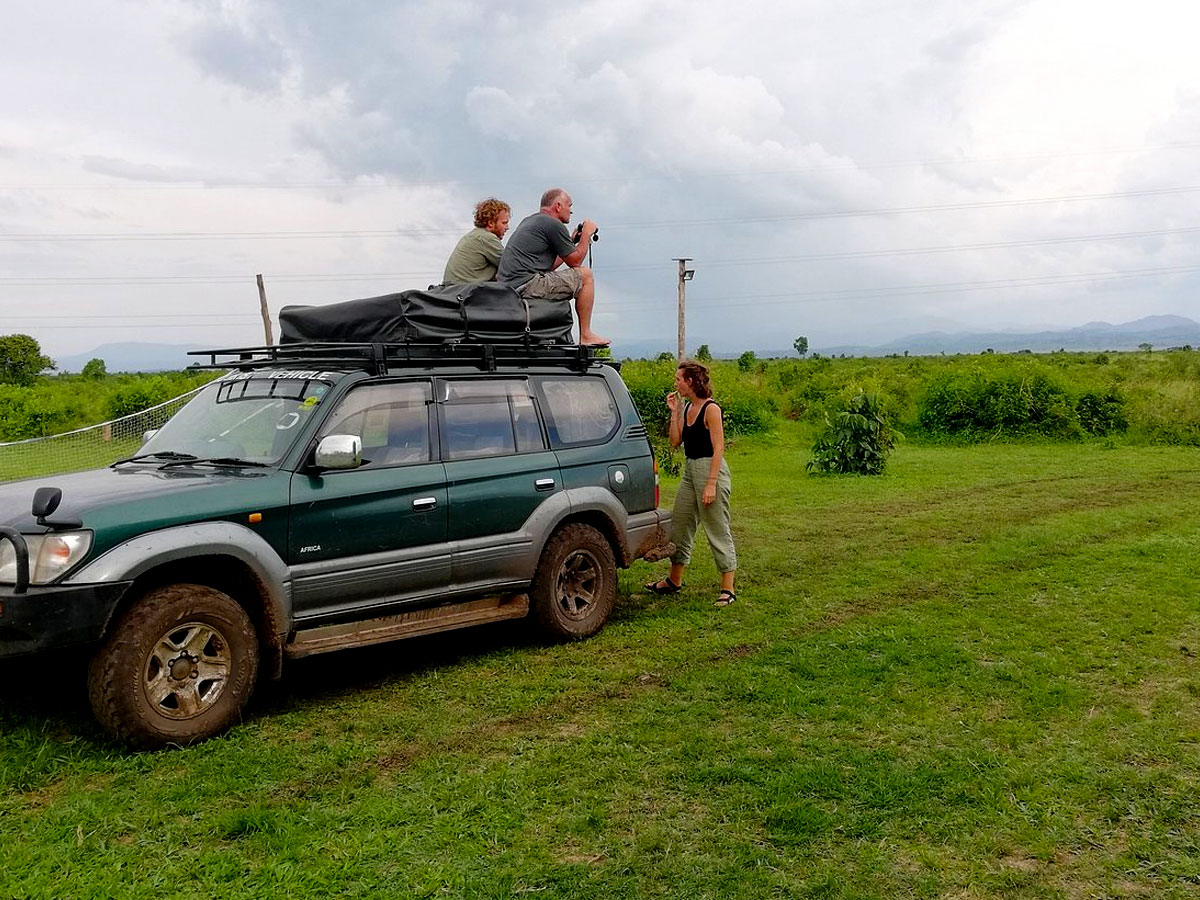
Common Driving Mistakes Tourists Should Avoid in Uganda
Avoid these frequent errors to ensure a safe trip:
- Driving too fast: Ignoring the 30 km/h urban limits leads to accidents and fines.
- Driving at night unnecessarily: Invites dangerous encounters with unlit vehicles and animals.
- Underestimating journey times: 300 km can take 6 to 8 hours; plan accordingly.
- Running low on fuel: Always fill up when the tank hits half in rural areas.
- Choosing a small car for a difficult safari route: A 2WD will get stuck in Bwindi or Kidepo.
- Ignoring tyre condition: Blowouts are common on rough murram; check tyres daily.
- Relying entirely on mobile internet: Download offline maps before leaving cities.
- Not checking rental terms: Understand your insurance coverage and cross-border rules.
- Failing to inspect the vehicle: Always do a walk-around and check the spare tyre before leaving the lot.
- Ignoring weather conditions: Rain turns dirt roads into impassable mud; check forecasts daily.
Uganda Driving Frequently Asked Questions
Is driving in Uganda safe for tourists?
Yes, driving in Uganda is generally safe for tourists who exercise caution, respect local Uganda traffic rules, and avoid night driving. However, urban centers like Kampala have heavy congestion, and rural roads can be unpredictable. For first-time visitors, hiring a professional driver ensures a safer, more relaxed self-drive safari Uganda experience.
Which side of the road does Uganda drive on?
Uganda drives on the left-hand side of the road, with the steering wheel on the right side of the vehicle. Visitors from right-hand-driving countries must adjust to overtaking on the right and navigating roundabouts clockwise.
Can foreigners drive in Uganda?
Yes, foreigners can legally drive in Uganda. You must hold a valid driving licence from your home country. Depending on your nationality and the specific issuing authority, an International Driving Permit (IDP) may also be required or highly recommended by rental agencies.
Can tourists rent a car in Uganda?
Absolutely. Tourists can easily rent a car in Uganda from reputable agencies at Entebbe International Airport or in Kampala. Options range from standard SUVs for city driving to fully equipped 4×4 safari vehicles for national park exploration.
Do I need a 4×4 for a Uganda safari?
While not every road requires it, a 4×4 is strongly recommended for a Uganda safari. National parks like Bwindi, Kidepo, and Murchison Falls feature rugged, steep, and muddy roads where a 2WD vehicle will struggle or get stuck.
Is self-driving in Uganda difficult?
Self-driving can be challenging for first-time visitors due to left-hand traffic, unpredictable boda bodas, pedestrians on roads, and varying road conditions. However, with defensive driving, patience, and the right vehicle, it is a highly rewarding way to explore the country.
Can I drive to Bwindi for gorilla trekking?
Yes, you can drive to Bwindi for gorilla trekking. The journey takes 8 to 10 hours from Kampala. The final roads into the park are steep and rugged, making a 4×4 vehicle mandatory for a safe and comfortable Bwindi self-drive experience.
Can I drive to Uganda’s national parks?
Yes, you can drive to all of Uganda’s major national parks. Major parks like Queen Elizabeth and Murchison Falls have accessible main gates, while remote parks like Kidepo Valley require more advanced planning, a robust 4×4, and extra fuel.
Is it better to rent a car with a driver in Uganda?
Renting a car with a professional driver is often better for first-time visitors. It eliminates the stress of navigating unfamiliar, challenging roads, allows you to focus on wildlife spotting, and provides valuable local insights that enhance your overall safari experience.
What is the best car for a Uganda safari?
The Toyota Land Cruiser is widely considered the best car for a Uganda safari due to its durability, high ground clearance, and ability to handle the toughest national park roads. The Toyota Prado is a close second for mixed itineraries.
How much does it cost to rent a car in Uganda?
Car rental Uganda costs vary by vehicle type and season. A standard SUV may cost $70–$100 per day, while a 4×4 Land Cruiser typically ranges from $150 to $250+ per day. Hiring a professional driver adds approximately $30–$50 per day.
Can I rent a car in Uganda and drive to Rwanda?
Yes, you can rent a car in Uganda and drive to Rwanda, but you must arrange cross-border insurance and obtain a temporary COMESA insurance certificate in advance. Always check your rental company’s specific cross-border terms and required documentation before departure.
Rent a Car in Uganda with Happy Trip Uganda
Ready to explore Uganda by road? Happy Trip Uganda provides reliable car rental solutions for international travelers, including self-drive vehicles, 4×4 safari cars, Land Cruiser rentals and cars with professional drivers.
Whether you are planning a Uganda wildlife safari, gorilla trekking in Bwindi, chimpanzee trekking in Kibale or a longer Uganda–Rwanda road trip, choose a vehicle that matches your itinerary and road conditions.
Contact Happy Trip Uganda today to discuss your route, vehicle requirements, rental duration and safari plans. Let our local team help you choose the right vehicle before you travel.
Secure Your Gorilla Permit Today!
A self-drive safari is only half the adventure; the ultimate prize is coming face-to-face with the mountain gorillas. Gorilla permits in Bwindi and Mgahinga are strictly limited and sell out months in advance.
Do not let your perfect road trip be ruined by missed permits.
Contact Happy Trip Uganda today to securely book your gorilla permit and let us handle the logistics of your ultimate Ugandan wildlife encounter!