
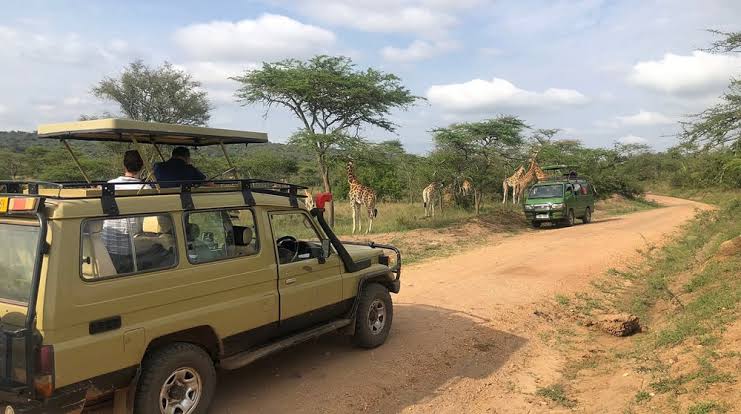
Uganda Self Drive Safety: Is It Safe to Drive in Uganda? 2026 Guide
Yes, travelers can explore Uganda by self-drive, but self-driving in Uganda requires thorough preparation, defensive driving, and the right vehicle.
Uganda offers incredible freedom for road trips to Bwindi, Queen Elizabeth National Park, Murchison Falls, Kibale, and other world-class destinations.
However, variable road conditions, unpredictable traffic, pedestrians, livestock, weather shifts, and long driving distances mean visitors must plan carefully.
It is crucial to understand that driving in Uganda is not the same driving environment as the USA, Canada, the UK, or Europe.
The central decision for every visitor is: self-drive or hire a car with a professional driver? Travelers who want independence can choose a self-drive 4×4 rental in Uganda, while visitors who prefer a relaxed experience can hire a 4×4 with a professional driver.
Planning a Uganda road trip? Contact Happy Trip Uganda to check available 4×4 vehicles and choose the safest option for your itinerary.
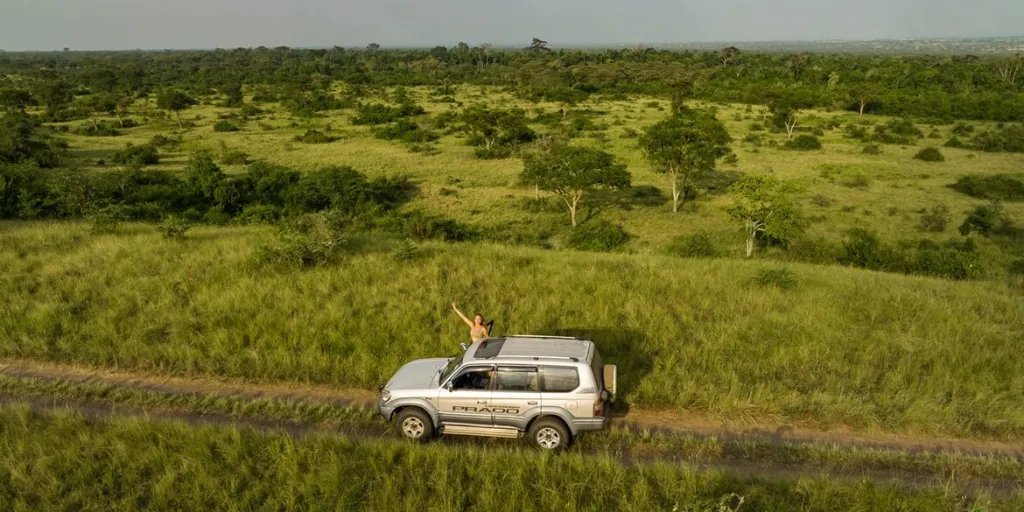
Is Self Driving in Uganda Safe?
Self driving in Uganda can be safe when travelers use a well-maintained vehicle, drive defensively, avoid unnecessary night driving, follow speed limits, plan routes carefully, and allow extra time for rural roads and changing weather conditions.
While self-driving is entirely possible, conditions vary considerably between urban and rural areas. Major highways can be heavily congested, while rural and park roads can be rough and unpaved.
Night driving should generally be avoided, and sudden weather changes can quickly affect road quality. A suitable vehicle makes a significant difference in your overall Uganda self drive safety.
Official UK travel advice currently warns that road travel can be hazardous, especially outside major cities, and recommends avoiding travel outside main towns after dark except on the Kampala–Entebbe airport road.
The U.S. State Department similarly advises avoiding nighttime travel where possible, noting that rural roads can be poor and may require four-wheel drive.
Why Uganda Self Drive Is Different From Driving at Home
To ensure Uganda self drive safety, international travelers must adjust their expectations and driving habits.
- Traffic: Kampala and other urban areas experience heavy, unpredictable traffic.
- Pedestrians: Pedestrians frequently share road space with vehicles, particularly in populated and rural areas.
- Motorcycles: You must watch carefully for boda-bodas (motorcycle taxis), which can weave through traffic without warning.
- Livestock: Cattle, goats, and other animals regularly enter roads, especially in rural and pastoral regions.
- Road Quality: Main highways and remote safari tracks differ dramatically; tarmac can suddenly give way to deep mud or corrugated dirt.
- Driving Distances: A route that looks short on a map can take considerably longer due to road conditions, traffic, and mandatory stops.
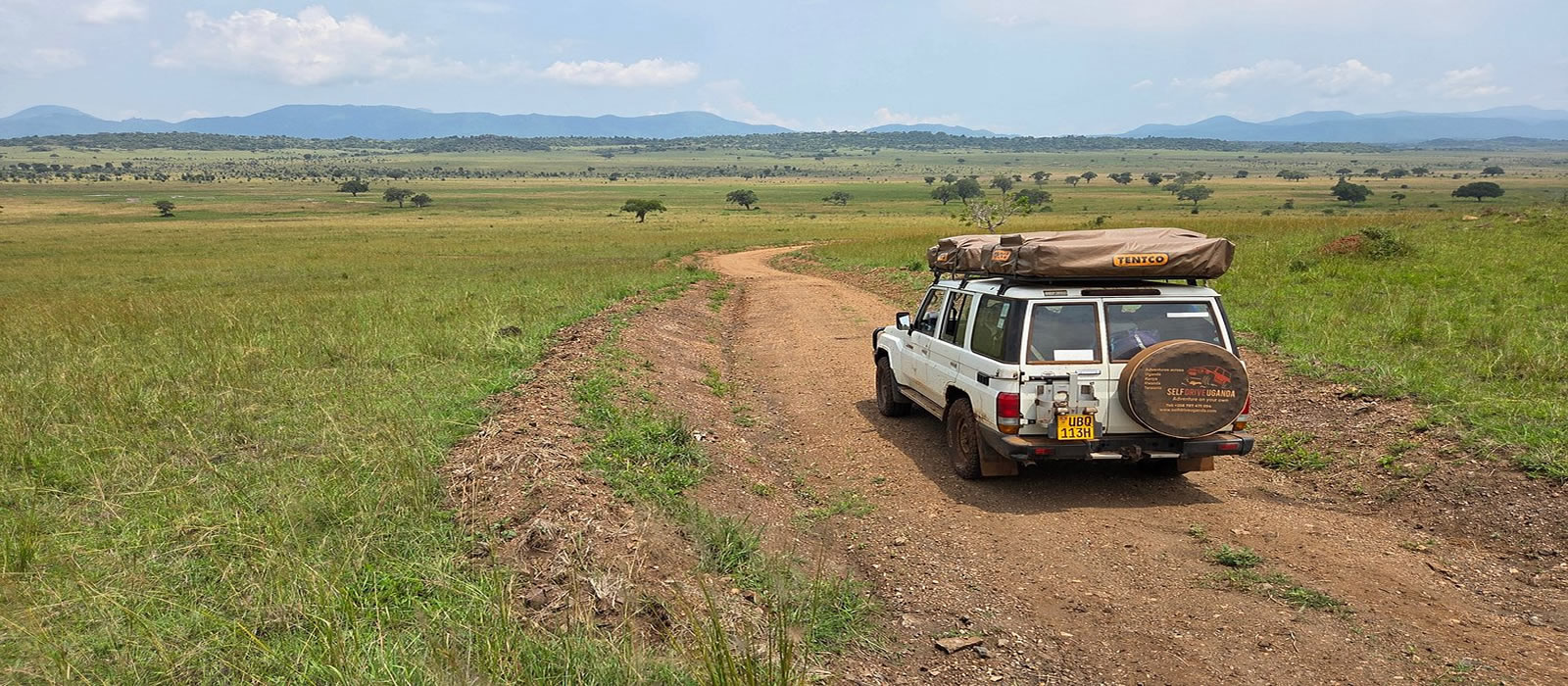
15 Essential Uganda Self Drive Safety Tips
1. Choose the Right Rental Vehicle
For national parks and remote areas, a reliable 4×4 safari vehicle is non-negotiable. Prioritize high ground clearance, robust tyres, a full-size spare tyre, and recovery equipment.
The U.S. State Department specifically notes that rural roads may require a four-wheel-drive vehicle.
If your itinerary includes Bwindi, Kidepo, Murchison Falls, or remote safari routes, ask Happy Trip Uganda which 4×4 is most appropriate for your journey.
2. Avoid Driving at Night
Night driving in Uganda is highly discouraged due to limited visibility, unlit vehicles, pedestrians, animals, and unexpected road hazards.
Official UK and U.S. guidance strongly recommends avoiding nighttime travel. Plan your daily distances to ensure you reach your lodge well before sunset.
3. Drive Slowly and Defensively
Do not exceed speed limits; speeding is strictly enforced by Ugandan police. Maintain a safe following distance, slow down around towns, reduce speed in the rain, and never rush to reach a lodge before dark.
4. Understand Uganda’s Driving Side
Uganda drives on the left-hand side of the road. This is a critical adjustment for visitors from the USA, Canada, continental Europe, China, and the Middle East.
First-time visitors should spend time practicing in a low-traffic area before undertaking a long safari journey.
5. Watch for Pedestrians, Boda-Bodas and Livestock
Expect a shared road environment. Pedestrians, bicycles, motorcycles, livestock, and vehicles all share the same space. Anticipate sudden stops and give vulnerable road users a wide berth.
6. Check Weather and Road Conditions
Heavy rainfall can severely impact dirt roads, safari tracks, and mountain routes, causing flooding and landslides, particularly in western and eastern regions. Always check local conditions before departing.
7. Don’t Overload the Vehicle
Overloading compromises vehicle stability and braking. Confirm your passenger capacity, luggage limits, and roof storage options before loading up.
8. Keep Doors Locked in Busy Urban Areas
In Kampala and larger towns, keep vehicle doors locked and windows rolled up in slow-moving traffic. The UK FCDO advises this to prevent opportunistic theft.
9. Don’t Leave Valuables Visible
Keep passports, cameras, laptops, phones, cash, and bags completely out of sight. Never leave anything valuable inside a parked vehicle.
10. Carry Navigation and Communication Tools
Relying solely on mobile internet is risky in remote areas. Download offline Google Maps, carry a physical map, get a local SIM or eSIM, pack a power bank, and save emergency and accommodation contacts.
11. Start Long Journeys Early
An early departure maximizes daylight, reduces time pressure, and provides a buffer for unexpected delays like traffic or roadworks.
12. Inspect the Rental Vehicle Before Departure
Check tyres, the spare tyre, brakes, lights, indicators, windscreen, mirrors, seat belts, the jack, tools, fuel, and emergency equipment. Photograph any existing damage before leaving the lot.
13. Understand Your Rental Agreement
Clarify insurance coverage, excess fees, deposit requirements, mileage limits, permitted routes, border crossing rules, and breakdown support. Review Happy Trip Uganda’s car rental terms and conditions thoroughly before signing.
14. Know What to Do in an Accident or Breakdown
Stay calm, move to a safe location if possible, contact your rental company, and document the situation with photos. Ugandan law requires drivers to stop, exchange information, and assist injured people. Do not make unnecessary admissions of liability at the scene.
15. Know When to Hire a Driver Instead
Self-driving isn’t for everyone. A professional driver is ideal if you have never driven in Africa, dislike long distances, are traveling with children, or want to focus on photography.
Not sure whether self-drive is right for you? Happy Trip Uganda offers both self-drive 4×4 rentals and vehicles with professional drivers, allowing you to choose the travel style that suits your experience.
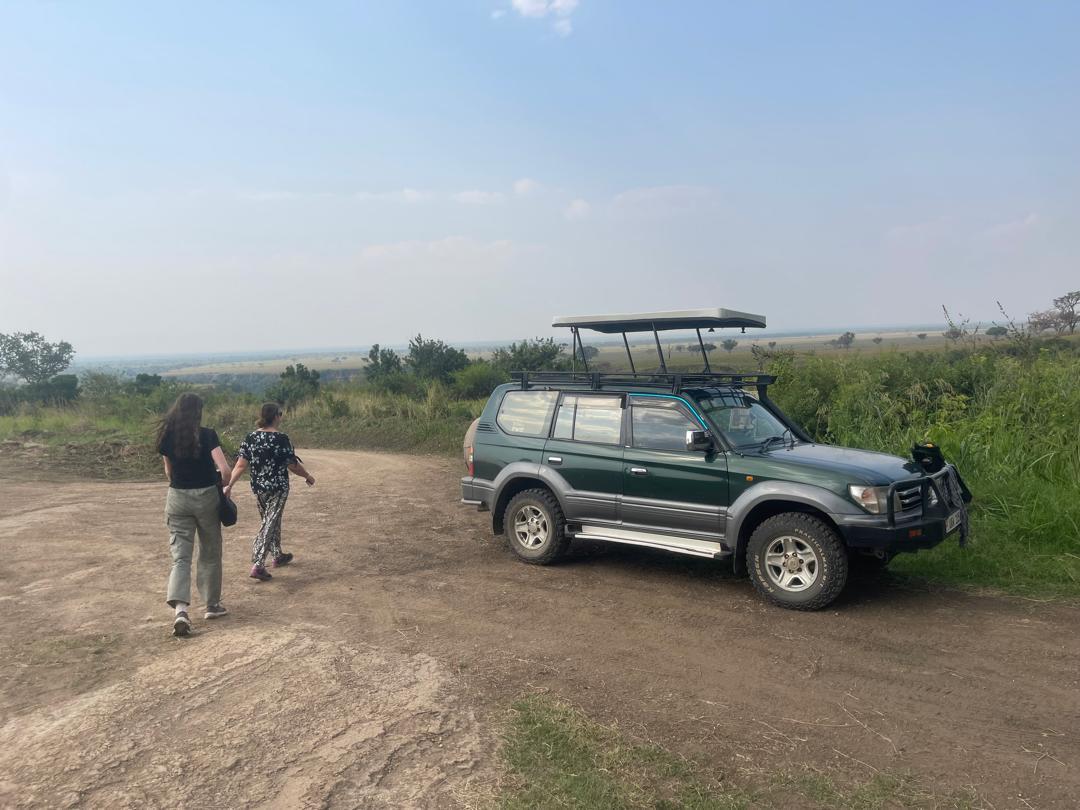
Is a 4×4 Necessary for a Uganda Self-Drive Safari?
For many Uganda safari itineraries, a capable 4×4 is the safer and more practical choice.
- Toyota RAV4: Suitable for well-paved road-trip itineraries, budget-conscious travelers, and routes that stick primarily to major towns and paved park entrances.
- Toyota Land Cruiser: Better suited to demanding safari conditions, remote parks, and travelers who want maximum ground clearance, superior suspension, and ultimate reliability on rough terrain.
Contact Happy Trip Uganda to compare our fleet and select the perfect safari vehicle rental for your specific route.
Is Self Drive Better Than Hiring a Driver in Uganda?
Choosing between self drive vs driver Uganda depends on your comfort level and travel style.
|
Self Drive |
Car + Professional Driver |
|
More independence and privacy |
Less driving stress and fatigue |
|
Flexible, spontaneous stops |
Expert local route knowledge |
|
You manage navigation and timing |
Driver handles difficult rural roads |
|
Potentially lower base cost |
More relaxed, scenic safari experience |
|
Good for highly experienced drivers |
Ideal for first-time visitors to Africa |
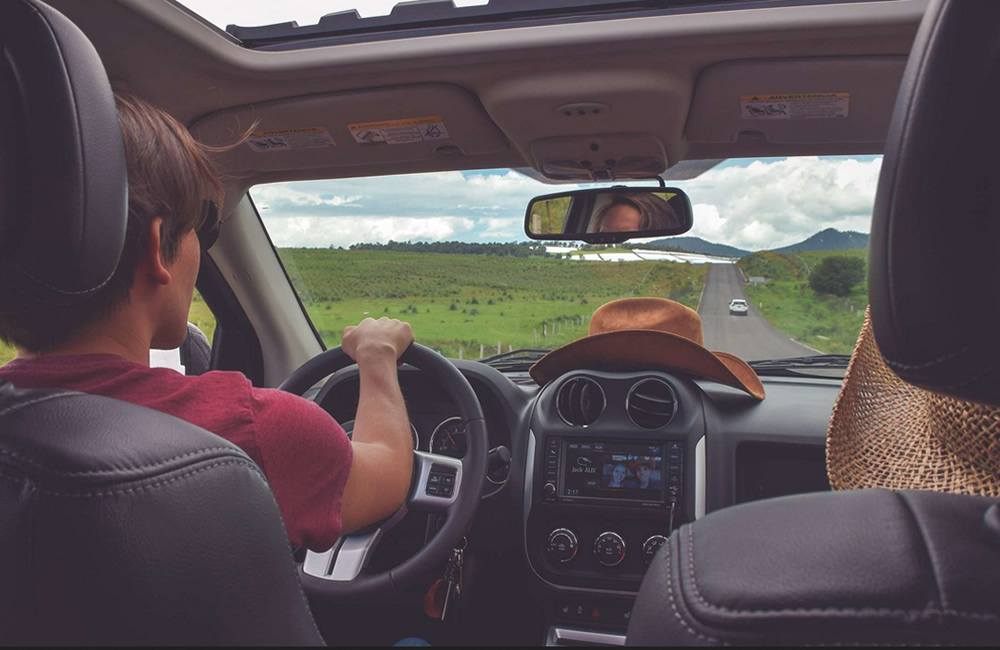
Is Self Driving Safe in Uganda National Parks?
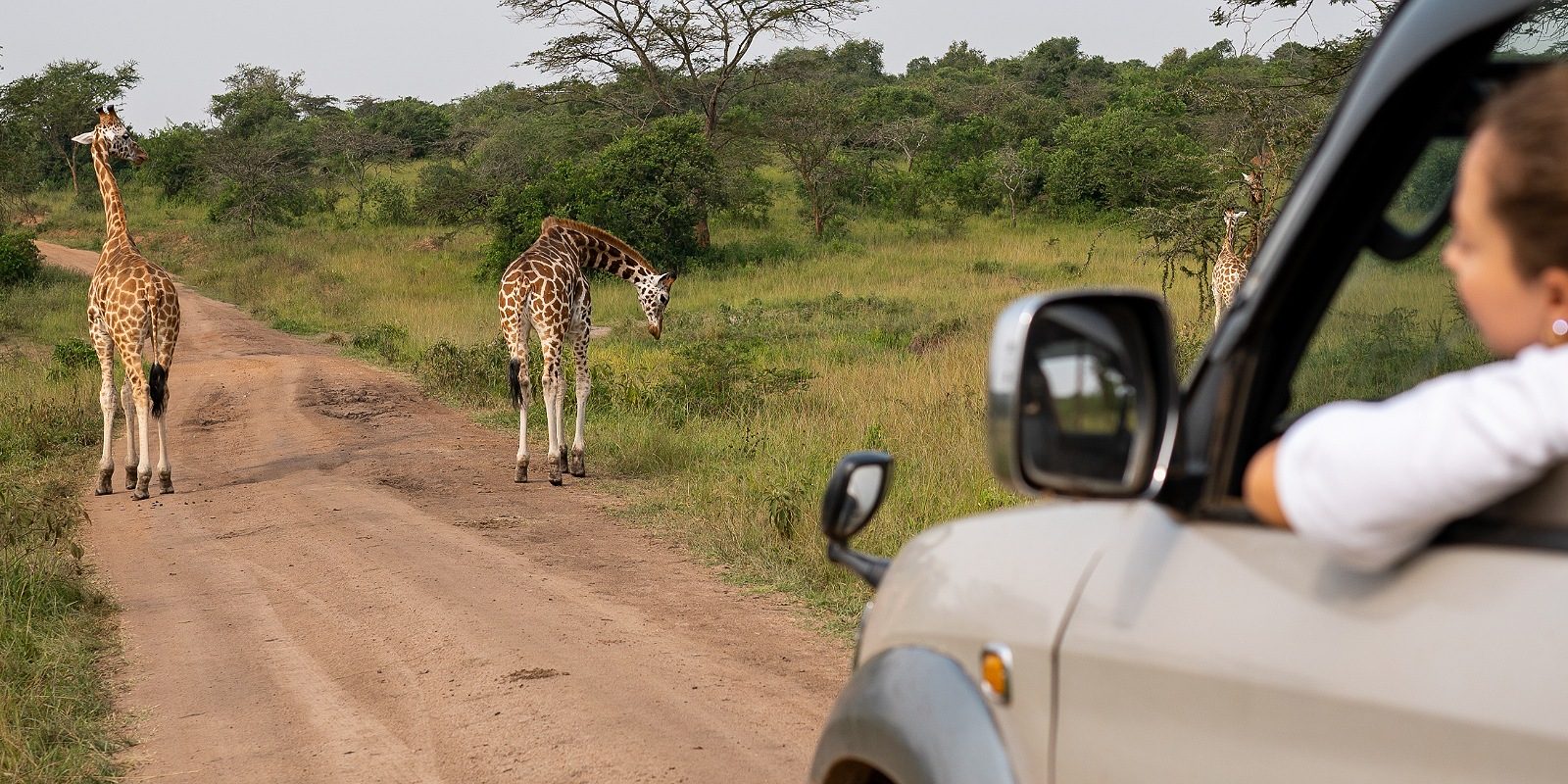
Driving inside national parks requires strict adherence to rules. Always stay on designated roads, follow ranger instructions, never approach wildlife aggressively, and never exit your vehicle in unsafe zones.
Maintain a safe distance from animals and obey park speed limits (usually 40 km/h on dirt tracks).
Explore our specific guides for Murchison Falls self-drive, Queen Elizabeth self-drive, Bwindi self-drive, Kibale self-drive, and Kidepo self-drive.
Is It Safe to Self Drive to Bwindi for Gorilla Trekking?
The drive to Bwindi Impenetrable National Park is long (often 8 to 10 hours from Kampala) and features steep, mountainous, and sometimes muddy roads.
While self-driving to Bwindi is safe with a proper 4×4 and an early start, the winding terrain can be exhausting. For many, hiring a driver allows them to rest and enjoy the scenic views.
Secure your Uganda Gorilla Safaris and Bwindi Gorilla Trekking permits early. Happy Trip Uganda can arrange your 4×4 rental Uganda and gorilla permits seamlessly.
Uganda Self Drive Safety Checklist
Before departure, ensure you have checked:
☐ Valid driving documents and International Driving Permit
☐ Signed rental agreement and insurance confirmation
☐ Charged phone and power bank
☐ Downloaded offline maps
☐ Emergency and accommodation contacts saved
☐ Spare tyre, jack, and tools inspected
☐ First-aid kit and sufficient drinking water
☐ Full tank of fuel
☐ Comprehensive vehicle inspection completed
☐ Accommodation and park fees confirmed
☐ Weather and road conditions checked
☐ Route planned with realistic driving times
☐ Commitment to avoid unnecessary night driving
Uganda Self Drive FAQs
1. Is self driving in Uganda safe?
Yes, Uganda self drive safety is highly manageable when you use a well-maintained 4×4, drive defensively, avoid night driving, and plan your routes carefully.
2. Can tourists self-drive in Uganda?
Absolutely. Foreigners can legally drive in Uganda using a valid home country license alongside an International Driving Permit (IDP).
3. Is Uganda safe for a road trip?
Yes, Uganda is widely considered one of the safest countries in East Africa for tourists, provided you follow standard travel precautions and road safety rules.
4. Do I need a 4×4 to self-drive in Uganda?
For national parks, rural areas, and mountainous regions like Bwindi, a 4×4 is highly recommended and often essential for Uganda self drive safety.
5. Can I self-drive to Bwindi?
Yes, but it requires a robust 4×4, an early start, and comfort with driving on steep, winding, and sometimes unpaved mountain roads.
6. Is it safe to drive in Uganda at night?
No. Both UK and US travel advisories strongly recommend avoiding driving at night due to poor visibility, unlit vehicles, and pedestrians on the road.
7. Which side of the road does Uganda drive on?
Uganda drives on the left-hand side of the road, with the steering wheel on the right side of the vehicle.
8. What is the best car for a Uganda safari?
A Toyota Land Cruiser is the best for remote, rough terrain, while a Toyota RAV4 (4×4) is sufficient for lighter itineraries and paved roads.
9. Should I rent a car with a driver in Uganda?
If you are a first-time visitor to Africa, want to relax, or have a tight itinerary, hiring a car with a professional driver is highly recommended.
10. How much does self-drive car rental cost in Uganda?
Costs vary by vehicle type and season, but a standard 4×4 typically ranges from $80 to $150+ USD per day, excluding fuel and park fees.
Book a Safe Uganda Self-Drive 4×4 with Happy Trip Uganda
Uganda self-drive can be an unforgettable way to explore the country’s national parks, wildlife destinations, mountain landscapes, and cultural attractions—but the right preparation and vehicle are essential.
Plan your routes carefully, avoid unnecessary night driving, follow local traffic rules, allow extra time for rural journeys, and choose a well-maintained vehicle suited to your itinerary.
If you want the freedom of an independent road trip, Happy Trip Uganda provides premium self-drive car rental and 4×4 safari vehicles for travelers exploring Uganda and Rwanda.
If you prefer to relax and let an experienced local professional handle the driving, ask about our car rental with driver and private safari options.
Ready to explore the Pearl of Africa? The ultimate Uganda experience starts with securing your gorilla trekking permit, as they sell out months in advance.
Contact Happy Trip Uganda today to reserve your self-drive 4×4, book a professional driver, and secure your exclusive gorilla permit for an unforgettable, safe, and seamless Ugandan adventure!